
13/03/2026
Most damaged cars in 2025: which vehicles get into accidents the most?

Karolis Bareckas
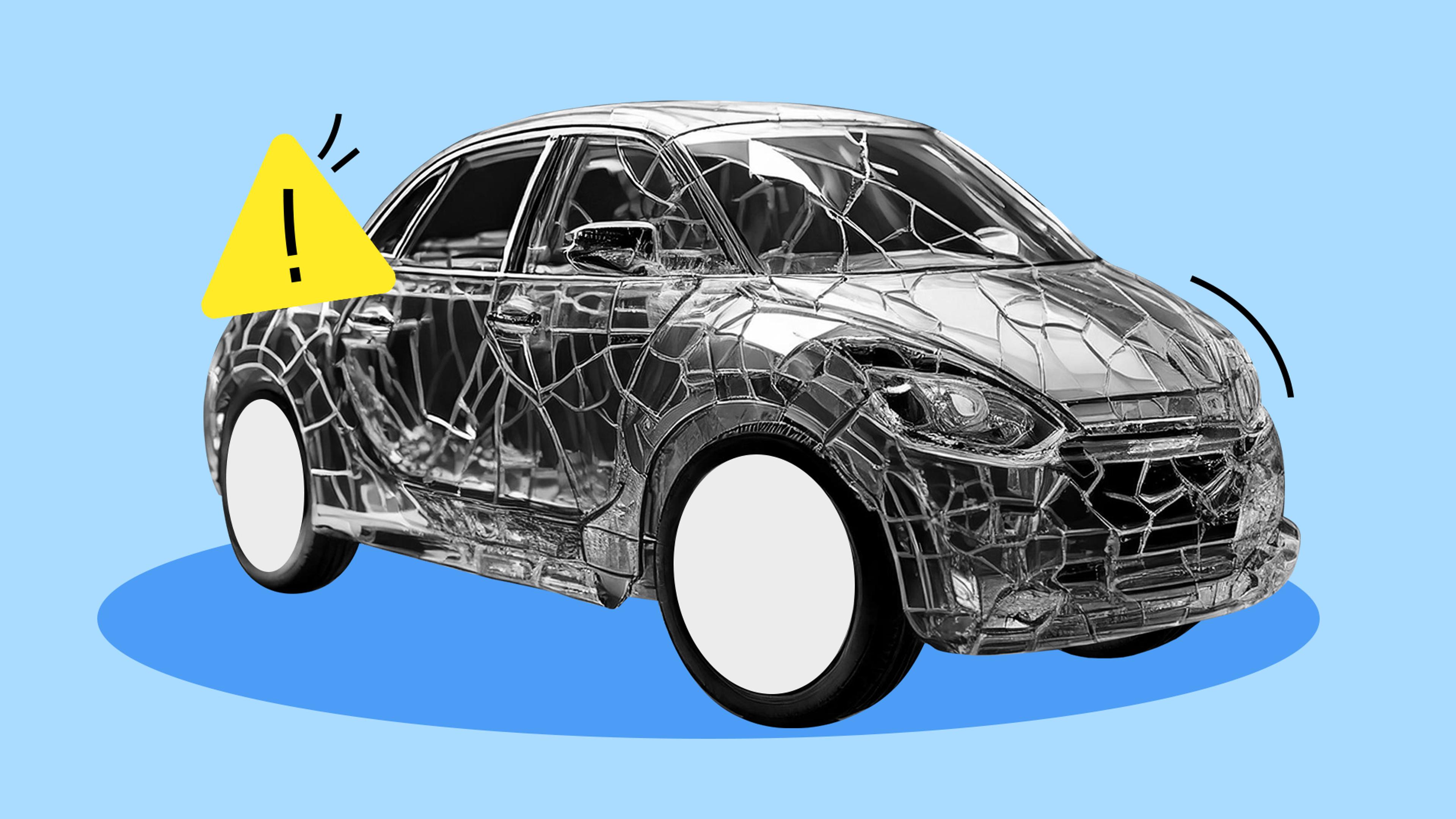
No car is bulletproof. From a scratched bumper in a supermarket parking lot to a serious crash that leaves lasting consequences, damage is simply part of a vehicle’s lifecycle.
Every year, millions of damage records are registered by insurers, workshops, and national registries. Since carVertical processes a vast number of vehicle history reports annually, we can clearly see which brands are most frequently involved in accidents – and how severe those incidents tend to be.
After analysing data from 2025, we found that 48.3% of all vehicles checked had at least one recorded damage event. In other words, nearly every second used car comes with accident history.
Let’s explore which brands top the damage charts – and what that means for buyers.
BMW remains the most damaged car brand
In 2025, BMW ranked first among the most damaged car brands in Europe, with 65.2% of checked vehicles having damage records, followed by Hyundai (59.3%), Subaru (58%), Tesla (55.5%), and Lexus (54.7%).
BMW’s position at the top is not new. The brand has consistently ranked high in previous years as well. Why?
There are several factors:
- BMW models are widely available across European and global markets.
- Many models offer strong performance at relatively affordable used-car prices.
- Sportier driving characteristics may increase the risk of accidents.
Older, powerful vehicles are often purchased by drivers seeking performance on a budget. Combined with higher annual mileage in some markets, this increases the statistical likelihood of incidents.
This doesn’t mean every BMW is the most broken car in the neighbourhood. However, statistically speaking, buyers should be particularly cautious when considering high-performance or premium models.
On the other end of the ranking, brands such as Mini (46.6%), Kia (46.8%), and Mercedes-Benz (46.9%) showed lower – though still significant – shares of damaged vehicles.
How many damage records are too many?
A single damage entry in a vehicle’s history report is not unusual. On average, vehicles are involved in an accident roughly every 5 years, depending on driving habits and annual mileage.
In 2025, the average number of damage records per damaged vehicle was 2.23.
Lexus had the highest average damage count in 2025 (2.7 records per vehicle), followed by BMW (2.6), Tesla (2.5), and Porsche (2.4), while several other brands averaged 2.3.
Meanwhile, brands such as Seat (2 records per vehicle), Kia (2), and Mini (2) showed slightly lower averages.
Multiple records don’t automatically signal disaster. A car may have experienced several minor incidents over a decade of use. However, buyers should carefully review:
- Whether structural elements were affected
- If airbags were deployed
- The total value of damages
- The time intervals between incidents
A vehicle with repeated severe damage events may not look like the most destroyed car in photos, but hidden structural weaknesses can compromise safety and long-term reliability.
Premium cars lead in repair costs
When it comes to repair expenses, premium brands dominate. In 2025, the average damage value across all brands was €3,879. However, certain manufacturers significantly exceeded this figure.
Brands with the highest average damage values were Porsche (€9,761), Tesla (€5,808), and Mercedes-Benz (€5,026).
Premium vehicles are equipped with advanced driver assistance systems, complex electronics, adaptive lighting, radar sensors, and expensive body materials. Even relatively minor collisions can generate repair bills reaching thousands of euros.
In contrast, more budget-oriented brands recorded lower average repair costs, with Dacia at €2,233, Suzuki at €2,645, and Škoda at €2,804.
Repair cost matters because it often reflects the severity of damage. A €10,000 repair bill usually indicates significant structural or component damage, not just a scratched bumper.
For buyers, understanding repair value is crucial. A cheaply repaired vehicle that once had extremely high damage costs could later become the most broken car in your ownership experience.
Which brands are the most damaged across Europe?
While the overall 2025 ranking shows BMW leading globally, the situation varies significantly from country to country across Europe.
BMW dominates in a large part of the continent. It ranked as the most damaged car brand in Belgium (82.2%), the Czech Republic (69.8%), Germany (50.5%), Spain (62.1%), Croatia (83.5%), and Serbia (74.9%). In many of these markets, BMW models are widely available on the used car market and remain highly popular among drivers looking for performance at a relatively accessible price.
In Central and Eastern Europe, Porsche frequently takes the top spot. It leads in Hungary (73.4%), Poland (73.4%), Romania (76.3%), and Italy (38.2%). Although Porsche’s overall market share is smaller than mass-market brands, higher vehicle values and repair costs mean damage events are more likely to be recorded and financially significant.
In the Baltic states and Ukraine, Subaru stands out. It ranks first in Lithuania (80.5%), Latvia (75.5%), and Ukraine (80.9%). Subaru’s strong presence in these markets, combined with all-wheel-drive models often driven in harsher weather conditions, may partly explain the high share of recorded damage.
Tesla leads in several Western and Northern European countries, including Finland (36.6%), France (61.6%), and Portugal (79.2%). As electric vehicle adoption continues to grow, higher repair complexity and expensive components may contribute to more frequently recorded damage events.
Slovakia presents a different picture, with Hyundai ranking first (85.6%), while in the United Kingdom, Vauxhall leads the statistics (24.7%), reflecting the country’s strong domestic brand presence.
Should you buy a car with past damage?
With nearly half of all used cars having recorded damage, avoiding previously damaged vehicles entirely may significantly limit your options.
The key question is not whether a car was damaged – but how severely and how well it was repaired.
Minor cosmetic damage, such as small dents, replaced bumpers, or scratched body panels, is common and often harmless if repairs are carried out properly.
However, buyers should be cautious when damage values are very high, structural components have been replaced, multiple serious incidents occurred within a short period, or documentation of repairs is missing.
A poorly restored vehicle may appear flawless during a short inspection but reveal costly issues months later. Electrical faults, misaligned suspension, water leaks, or corrosion can turn a seemingly attractive deal into a financial burden.
A VIN check by carVertical can help identify damaged cars before you commit to a purchase. A vehicle history report reveals recorded damage events, their estimated repair values, and when they occurred, giving buyers a clearer timeline of a car’s past.
In many cases, archived photos from auctions or insurance records are also available – and images can reveal far more than numbers alone. They help assess how severe the damage really was, which parts were affected, and whether the vehicle once looked far worse than it does today.
Methodology
carVertical’s research examined vehicle history reports acquired by users between January 2025 and December 2025.
The damages listed in reports were aggregated by car brand, analysed, converted into percentages, and ranked. Average damage value and average damage count per vehicle were also calculated.
carVertical is a vehicle history reporting company operating in 38 markets – across most of Europe, the US, Mexico, and Australia. Sourcing data from 1,000+ global registries and databases, carVertical provides comprehensive reports that help customers make informed decisions when buying used vehicles.
By processing millions of vehicle history checks annually, we can identify trends, uncover hidden risks, and provide unique insights into the global used car market.
Article by
Karolis Bareckas
Karolis is an automotive writer focusing on the industry part of things. His goal is to educate readers and foster transparency in the used car market. With a passion for storytelling and extensive experience writing in a variety of fields, Karolis enjoys sharing his knowledge and spreading the word about automotive and tech topics. He’s also a a big fan of muscle cars and long road trips.